- 415 Fletcher Pkwy, El Cajon, CA 92020 Suite #401
- info@zoofilist.com

Office Address
415 Fletcher Pkwy, El Cajon,
CA 92020 Suite #401
PO BOX
2150 Comstock St, #710384 San Diego, CA. 92111
Smart Way Services Inc.
Email Address
info@zoofilist.com



How to Pet-Proof Your Garden for Spring Planting
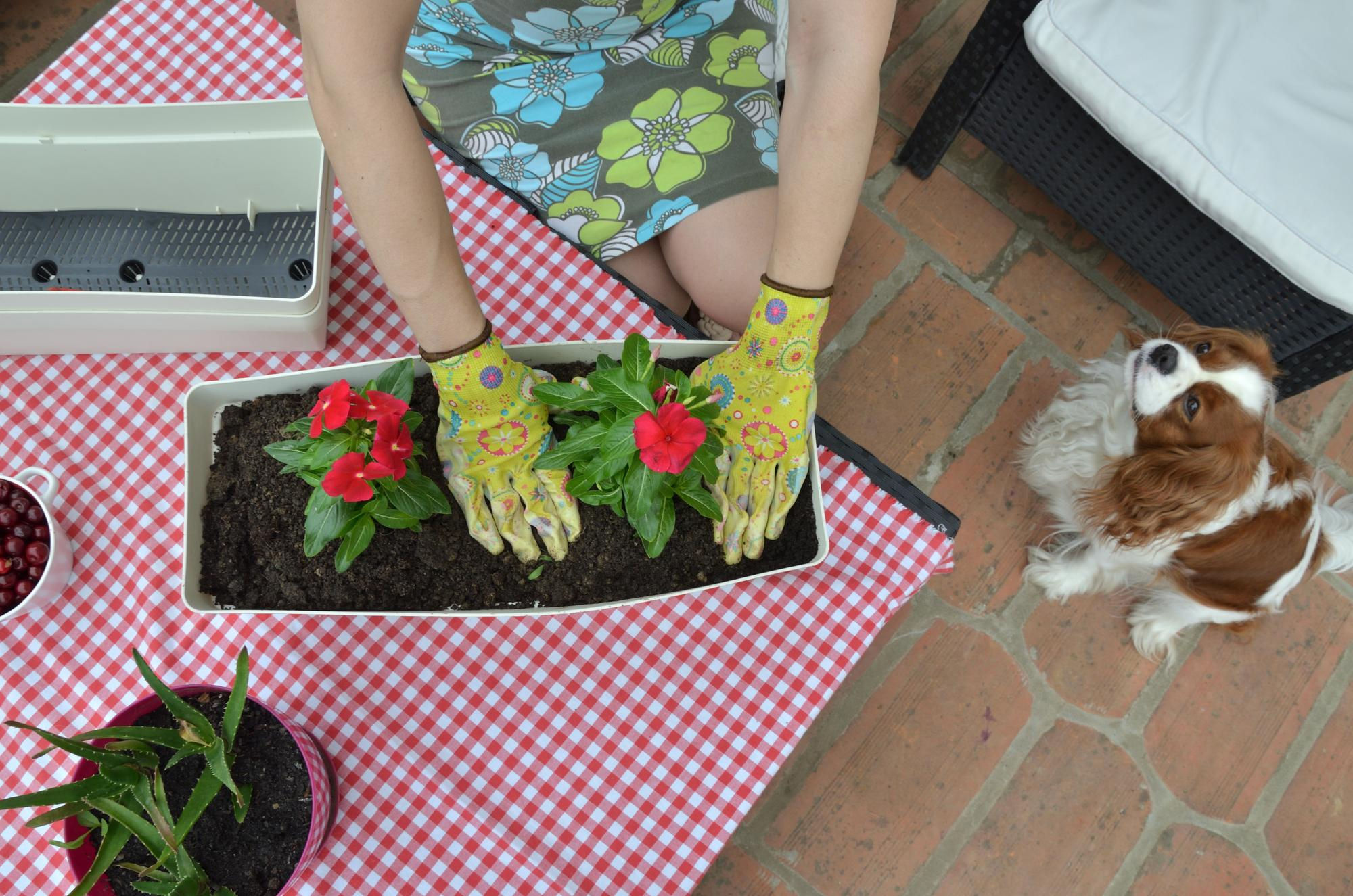
Spring planting is exciting, but for pet owners, a garden can quickly become a danger zone if it’s not properly pet-proofed. Curious noses, digging paws, and snack-loving pets don’t always mix well with plants, tools, and fertilizers. With a little planning, you can create a garden that’s beautiful, productive, and safe for your pets to enjoy. Pets love spending time outdoors, especially in spring when everything smells new and interesting. Unfortunately, many common garden plants and products are toxic to pets. Pet-proofing your garden helps prevent accidental poisoning, injuries, and unwanted trips to the vet. A safe garden means peace of mind—for you and your pet. Before planting, research which plants are safe for pets. Many popular spring flowers and vegetables are harmless, but others can cause serious health issues. Pet-safe garden plants include: Marigolds Sunflowers Zinnias Basil, rosemary, and thyme Carrots and lettuce Avoid toxic plants such as lilies, azaleas, tulips, daffodils, foxglove, and sago palm—especially if you have curious pets. Garden chemicals pose one of the biggest risks to pets. Fertilizers, weed killers, and pesticides can cause poisoning if ingested or absorbed through the skin. Choose pet-safe or organic products Store chemicals in locked containers Keep pets out of treated areas until products have fully dried When in doubt, read labels carefully or ask your garden center for pet-friendly options. Not all pets respect garden boundaries (shocking, we know). Installing physical barriers can protect both your plants and your pet. Use low fencing around flower beds Raise garden beds to discourage digging Place rocks or mulch that pets don’t enjoy walking on Designating a separate digging or play area can redirect curious energy away from your plants. Gardening tools left out can cause cuts, punctures, or choking hazards. Always store tools, gloves, and twine in secure areas after use. Be especially cautious with: Sharp tools Small items like ties or plant labels Hoses and irrigation lines A tidy garden is a safer garden. Some mulches, especially cocoa mulch, are toxic to dogs due to the presence of theobromine. Opt for pet-safe alternatives such as shredded bark, pine needles, or untreated wood chips. Mulch should look good—not tempt your pet into snack mode. As spring temperatures rise, pets can overheat while playing outdoors. Make sure your garden has shaded areas and access to fresh water. A simple water bowl and a shady spot can turn your garden into a pet-friendly retreat. Even the safest garden benefits from supervision. Teach basic commands like “leave it” and “stay” to discourage chewing or digging. Positive reinforcement goes a long way—and so does keeping an eye on things during early gardening sessions. Pet-proofing your garden for spring planting doesn’t mean sacrificing beauty or productivity. With thoughtful plant choices, secure storage, and simple boundaries, your garden can be a safe and enjoyable space for everyone. Because the only thing your pet should be digging up this spring is compliments.Why Pet-Proofing Your Garden Matters
Choose Pet-Safe Plants
Secure Fertilizers and Pest Control Products
Create Physical Barriers
Watch Out for Tools and Equipment
Be Mindful of Mulch Choices
Provide Shade and Fresh Water
Supervise and Train
Final Thoughts