- 415 Fletcher Pkwy, El Cajon, CA 92020 Suite #401
- info@zoofilist.com

Office Address
415 Fletcher Pkwy, El Cajon,
CA 92020 Suite #401
PO BOX
2150 Comstock St, #710384 San Diego, CA. 92111
Smart Way Services Inc.
Email Address
info@zoofilist.com



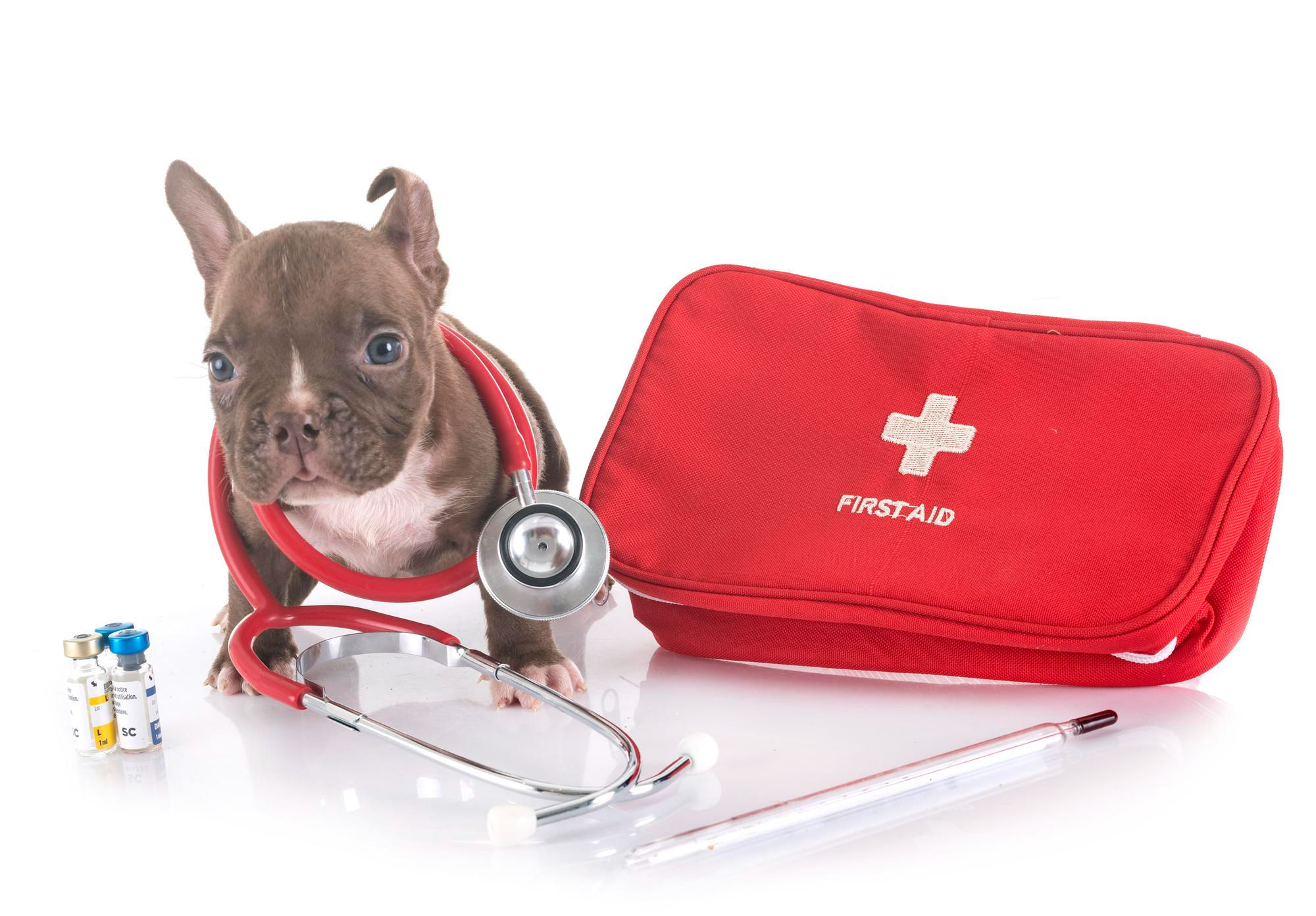
Emergency Preparedness: Creating a Pet-Specific Emergency Kit
Emergencies can happen when you least expect them—natural disasters, power outages, sudden evacuations, or severe weather. While many families prepare emergency kits for themselves, pets are often overlooked. Creating a pet-specific emergency kit ensures your furry family member stays safe, comfortable, and cared for when routines are disrupted. A little preparation now can make a big difference when it matters most. In an emergency, access to pet supplies may be limited. Stores may be closed, veterinary clinics may be unreachable, and familiar routines may disappear overnight. A pet emergency kit helps you: Respond quickly during evacuations Maintain your pet’s health and comfort Reduce stress for both pets and owners Avoid scrambling for supplies under pressure Prepared pets cope better—and so do their humans. Every pet’s kit should be tailored to their specific needs, but some items are universal. A 3–7 day supply of pet food Bottled water (at least one gallon per pet per day) Collapsible food and water bowls Rotate food regularly to keep it fresh. A 7-day supply of medications Copies of vaccination and medical records Contact information for your veterinarian Keep documents in a waterproof folder. Extra collar with ID tag Harness or leash Recent photos of your pet (in case you’re separated) Microchip information should always be up to date. Emergencies are stressful for pets, too. Familiar items can help them feel secure. Favorite blanket or bed Comfort toys Calming aids if recommended by your vet A familiar scent can make an unfamiliar situation feel safer. Keeping your pet clean and comfortable is especially important during extended emergencies. Waste bags or litter Litter box and scoop (for cats) Pet wipes or paper towels Small trash bags Cleanliness helps prevent illness and reduces stress. Every pet should have a sturdy, well-ventilated carrier or crate. Label it with your contact information and practice short trips so your pet becomes familiar with it. In an evacuation, carriers are essential for safety and transportation. Senior pets, puppies, kittens, and pets with medical conditions may require additional supplies. Consider adding: Prescription diets Mobility aids Extra medications or supplements Planning for these needs ahead of time avoids complications later. Keep your pet emergency kit in an easily accessible location. Review and update it every 6–12 months, checking expiration dates and replacing worn items. Practice using the kit so everything feels familiar in a real emergency. Emergency preparedness isn’t about expecting the worst—it’s about being ready for anything. Creating a pet-specific emergency kit gives you peace of mind and ensures your pet stays safe and cared for during uncertain times. Because when emergencies happen, your pet will look to you for calm leadership—and maybe snacks.Why Your Pet Needs an Emergency Kit
Essentials for a Pet Emergency Kit
Food and Water
Medications and Medical Records
Identification and Safety Items
Comfort and Stress-Reducing Items
Hygiene and Sanitation Supplies
Pet Carriers and Transportation
Customize for Special Needs
Store and Maintain Your Kit
Final Thoughts