- 415 Fletcher Pkwy, El Cajon, CA 92020 Suite #401
- info@zoofilist.com

Office Address
415 Fletcher Pkwy, El Cajon,
CA 92020 Suite #401
PO BOX
2150 Comstock St, #710384 San Diego, CA. 92111
Smart Way Services Inc.
Email Address
info@zoofilist.com
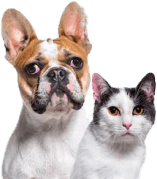



Toxic Foods for Pets: What to Avoid and Safe Alternatives
Sharing food with pets can feel like a natural way to show love, but many everyday foods that are safe for humans can be dangerous—or even life-threatening—for pets. Understanding which foods are toxic and knowing safe alternatives can help keep your pet healthy, happy, and out of the emergency vet’s waiting room. Pets metabolize foods differently than humans. Certain ingredients can overwhelm their systems, damage organs, or cause severe reactions even in small amounts. Dogs and cats are especially vulnerable because they’re often smaller and more sensitive to specific compounds. When it comes to feeding pets, knowledge really is power. Chocolate contains theobromine and caffeine, both toxic to pets. Dark chocolate and baking chocolate are especially dangerous. Symptoms include: vomiting, rapid heart rate, tremors, and seizures. These can cause sudden kidney failure in dogs. Even a small amount may lead to serious illness. Found in many cooked dishes, these can damage red blood cells and lead to anemia in both dogs and cats. Xylitol is extremely toxic to dogs and is found in sugar-free gum, candy, baked goods, and some peanut butters. It can cause rapid blood sugar drops and liver failure. Alcohol affects pets much faster than humans, leading to poisoning. Raw yeast dough can expand in the stomach, causing bloating and pain. These nuts can cause weakness, vomiting, tremors, and elevated body temperature in dogs. If your pet ingests a toxic food, symptoms may appear quickly or develop over several hours. Watch for: Vomiting or diarrhea Lethargy or weakness Excessive drooling Tremors or seizures Loss of appetite If you suspect food poisoning, contact your veterinarian immediately. Acting fast can save your pet’s life. Want to treat your pet safely? There are plenty of pet-friendly options. Safe treats for dogs include: Carrots Apple slices (no seeds) Plain cooked pumpkin Peanut butter (xylitol-free) Safe treats for cats include: Cooked chicken or turkey (unseasoned) Small amounts of cooked fish Eggs (fully cooked) Treats should always be given in moderation and never replace a balanced diet. Keep toxic foods out of reach Educate family members and guests Avoid feeding table scraps Read labels carefully Prevention is easier than treatment—especially when it comes to curious pets. If your pet has dietary restrictions, allergies, or chronic health conditions, consult your veterinarian before introducing new foods. What’s safe for one pet may not be safe for another. Understanding toxic foods for pets helps you make safer choices every day. By avoiding harmful ingredients and offering safe alternatives, you protect your pet’s health while still showing love. Because your pet doesn’t need people food to feel special—just your attention, care, and maybe a carrot.Why Some Human Foods Are Dangerous for Pets
Common Toxic Foods for Dogs and Cats
Chocolate and Caffeine
Grapes and Raisins
Onions, Garlic, and Chives
Xylitol (Artificial Sweetener)
Alcohol and Yeast Dough
Macadamia Nuts
Signs of Food Toxicity in Pets
Safe Food Alternatives for Pets
Tips for Keeping Pets Safe Around Food
When to Talk to Your Vet
Final Thoughts