- 415 Fletcher Pkwy, El Cajon, CA 92020 Suite #401
- info@zoofilist.com

Office Address
415 Fletcher Pkwy, El Cajon,
CA 92020 Suite #401
PO BOX
2150 Comstock St, #710384 San Diego, CA. 92111
Smart Way Services Inc.
Email Address
info@zoofilist.com



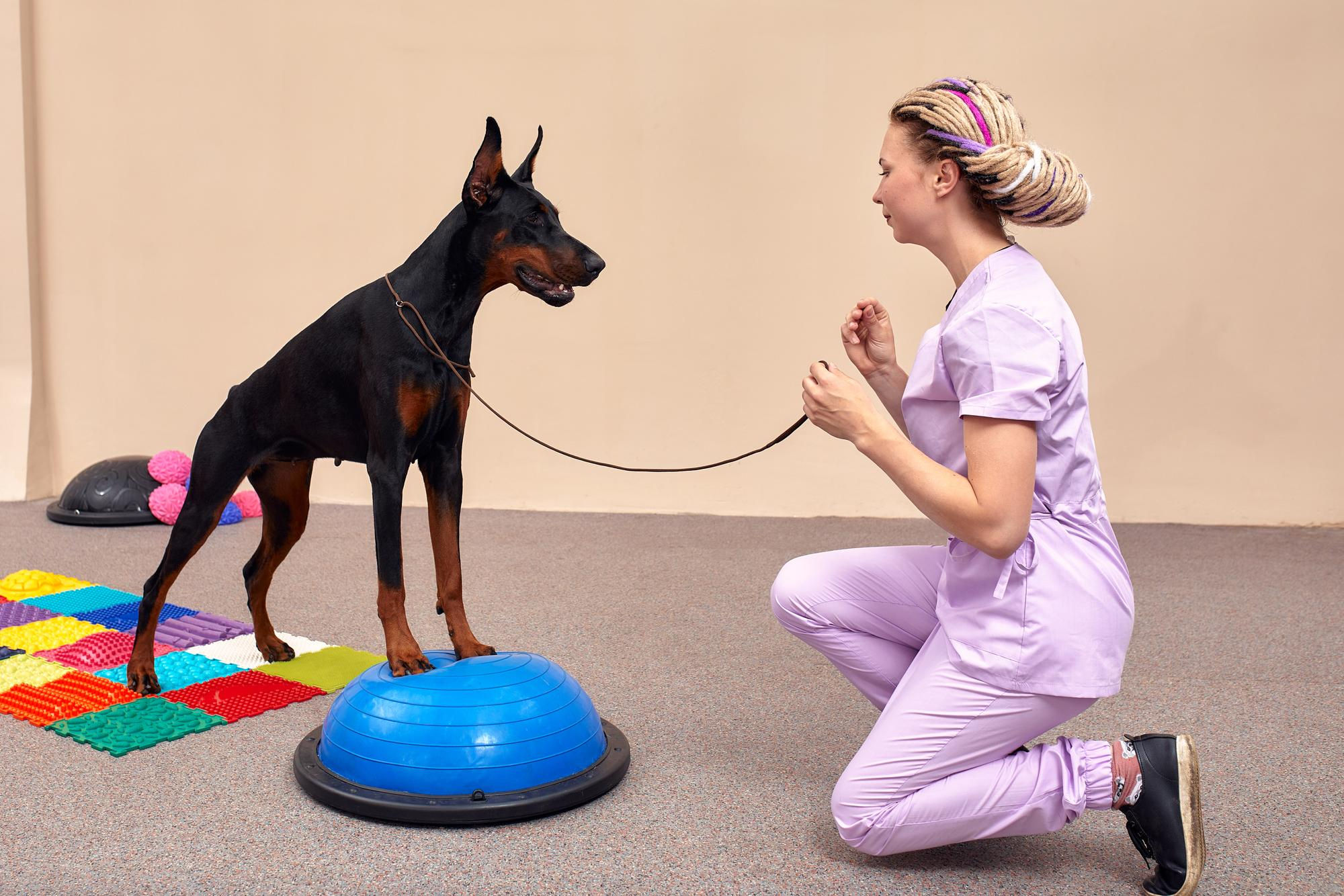
Exercise Routines for Dogs: Tailoring Activity Levels to Breed
Exercise is essential for every dog, but not all dogs need the same type or amount of activity. A routine that’s perfect for a high-energy Border Collie may be overwhelming for a Bulldog. Tailoring your dog’s exercise routine to their breed helps prevent injury, reduces behavioral issues, and keeps them healthy and happy. Different breeds were developed for different purposes—herding, hunting, guarding, or companionship. These roles influence energy levels, stamina, and physical abilities. Providing the right kind of exercise helps: Maintain a healthy weight Reduce anxiety and destructive behavior Support joint and heart health Improve overall mood and focus Understanding your dog’s breed needs is a key part of responsible pet care. Breeds like Border Collies, Australian Shepherds, Huskies, and Labradors thrive on physical and mental challenges. Recommended activities: Long daily walks or runs Fetch, frisbee, or agility training Hiking or swimming Puzzle games combined with movement These dogs typically need 60–90 minutes of exercise per day, sometimes more. Without enough stimulation, they may become restless or develop behavioral problems. Golden Retrievers, Beagles, Boxers, and Cocker Spaniels fall into this category. They enjoy activity but also appreciate downtime. Recommended activities: Brisk walks Short play sessions throughout the day Light jogging Interactive games like tug-of-war Aim for 45–60 minutes of daily exercise, split into manageable sessions to avoid overexertion. Bulldogs, Pugs, Shih Tzus, and Basset Hounds have lower energy levels and may be prone to joint or breathing issues. Recommended activities: Short, relaxed walks Indoor playtime Light training sessions Gentle enrichment games These dogs usually do well with 20–30 minutes of exercise daily. Overexertion can lead to fatigue or health problems, especially in hot weather. Puppies have bursts of energy but shouldn’t be overworked, as their joints are still developing. Short, frequent play sessions are best. Senior dogs may need modified routines due to arthritis or reduced stamina. Low-impact activities like slow walks and gentle stretching help keep them mobile without strain. Not every owner has time for long daily workouts, and that’s okay. Dog walkers, in-home pet care providers, and professional pet sitters can help ensure dogs get consistent exercise, especially during busy workweeks. Quality pet care services often tailor activity levels based on breed, age, and health, ensuring dogs stay active in a safe and structured way. Your dog may need more exercise if they: Chew furniture or dig excessively Seem restless or hyper Gain weight easily Your dog may need less exercise if they: Lag behind on walks Pant excessively Show stiffness or soreness Always adjust routines based on your dog’s behavior and consult a veterinarian if you’re unsure. Exercise isn’t one-size-fits-all when it comes to dogs. By tailoring activity levels to your dog’s breed, age, and health, you set them up for a longer, happier life. Because the right workout doesn’t just burn energy—it builds joy, confidence, and a whole lot of tail wags.Why Breed-Specific Exercise Matters
High-Energy Breeds: Keep Them Moving
Moderate-Energy Breeds: Balance Is Key
Low-Energy Breeds: Gentle and Consistent
Puppies and Senior Dogs: Special Considerations
Adapting Exercise to Lifestyle
Signs Your Dog Needs More—or Less—Exercise
Final Thoughts