- 415 Fletcher Pkwy, El Cajon, CA 92020 Suite #401
- info@zoofilist.com

Office Address
415 Fletcher Pkwy, El Cajon,
CA 92020 Suite #401
PO BOX
2150 Comstock St, #710384 San Diego, CA. 92111
Smart Way Services Inc.
Email Address
info@zoofilist.com



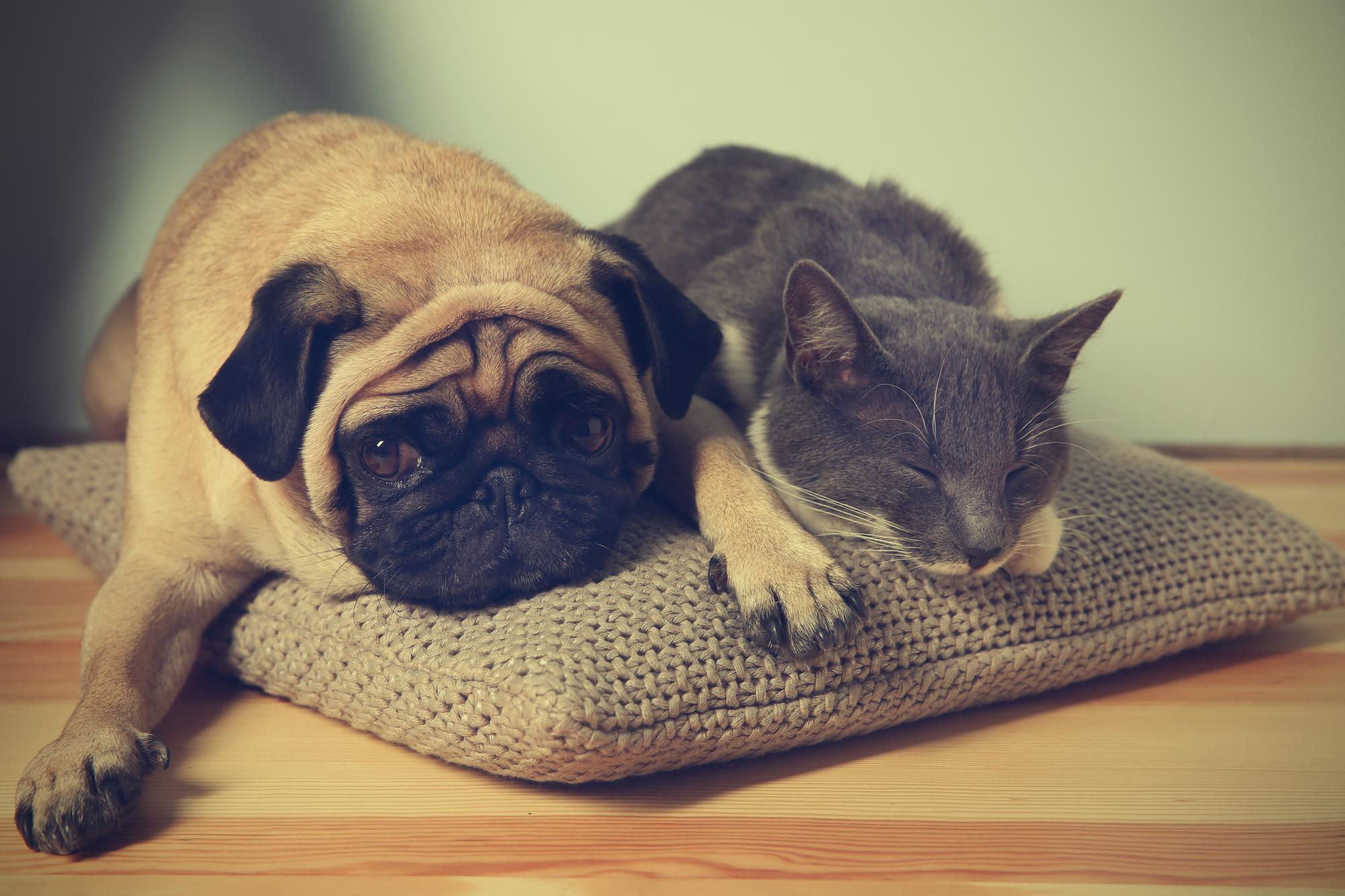
How to Handle Separation Anxiety in Dogs and Cats
Separation anxiety is a common behavioral issue in both dogs and cats, especially in pets that are closely bonded to their owners. It can show up as excessive barking, destructive behavior, litter box accidents, or withdrawal. Understanding how to manage separation anxiety is key to improving your pet’s emotional well-being—and your peace of mind. Separation anxiety often develops due to: Sudden changes in routine Moving to a new home Lack of mental stimulation Past trauma or abandonment Long periods of isolation Pets thrive on consistency, and disruptions can make them feel insecure or stressed when left alone. Common signs in dogs include: Barking or howling when alone Chewing furniture or doors Pacing or restlessness Common signs in cats include: Excessive vocalization Inappropriate urination Over-grooming or hiding If these behaviors occur mainly when you’re away, separation anxiety may be the cause. Consistency helps pets feel safe. Try to keep feeding, walks, and playtime on a predictable schedule. Avoid dramatic goodbyes or excited greetings—calm exits and entrances teach your pet that coming and going is normal. Structured routines are often part of high-quality in-home pet care, making them especially helpful for anxious pets. A bored pet is more likely to feel anxious. Daily exercise and mental enrichment can significantly reduce stress. Helpful options include: Puzzle feeders Interactive toys Short training sessions Food-dispensing toys For dogs, physical exercise before you leave the house can help release pent-up energy and promote relaxation. Desensitization is an effective method for managing separation anxiety. Start by leaving your pet alone for short periods and gradually increase the duration. Pair your departure with positive experiences, like special treats or toys they only get when you’re gone. When anxiety is severe, professional help may be necessary. Trainers, behaviorists, and veterinarians can provide customized strategies. Many pet owners also turn to pet care services in California to ensure their pets aren’t left alone for long periods. A professional pet sitter in California can provide companionship, enrichment, and reassurance throughout the day. In-home pet care allows pets to stay in a familiar environment, which can significantly reduce anxiety. Regular visits from a trusted sitter help maintain routines and provide comfort while you’re away. Some sitters even incorporate light grooming, which is helpful for pets that become stressed—making services like “pet grooming near me” part of a well-rounded care plan. Separation anxiety doesn’t disappear overnight. Progress takes time, consistency, and empathy. Punishment can worsen anxiety, so focus on reassurance and positive reinforcement instead. Separation anxiety can be challenging, but with the right approach, pets can learn to feel safe and confident—even when alone. From structured routines and mental enrichment to support from professional pet sitters in California, there are many effective ways to help your pet cope. Because feeling secure isn’t just about being loved—it’s about knowing you’ll always come back.What Causes Separation Anxiety in Pets?
Signs of Separation Anxiety
Create a Calm and Predictable Routine
Increase Mental and Physical Stimulation
Practice Gradual Alone Time
Consider Professional Support
The Role of In-Home Pet Care
Be Patient and Compassionate
Final Thoughts