- 415 Fletcher Pkwy, El Cajon, CA 92020 Suite #401
- info@zoofilist.com

Office Address
415 Fletcher Pkwy, El Cajon,
CA 92020 Suite #401
PO BOX
2150 Comstock St, #710384 San Diego, CA. 92111
Smart Way Services Inc.
Email Address
info@zoofilist.com



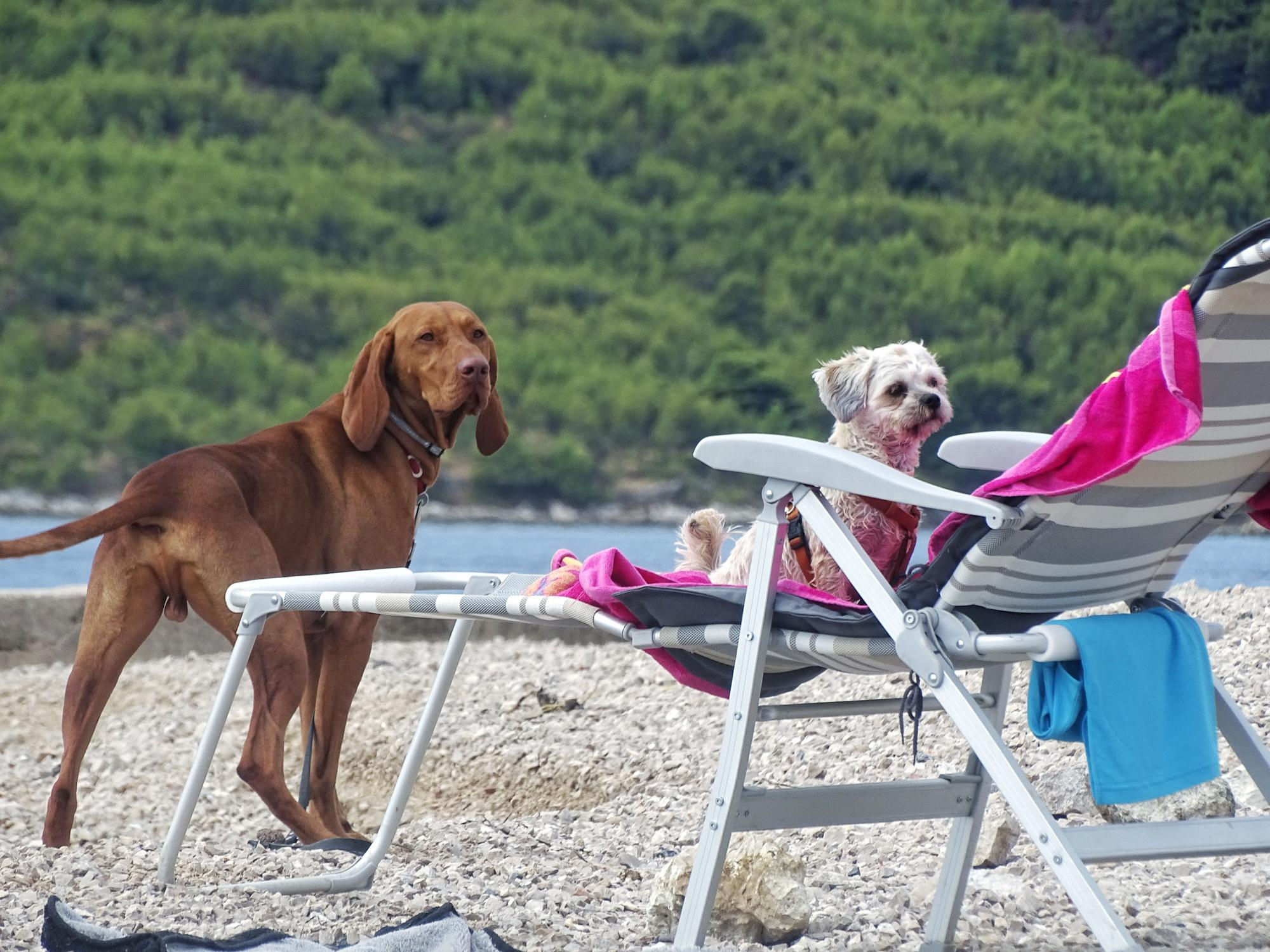
The Dos and Don’ts of Beach Trips with Dogs
A beach day with your dog sounds like the perfect summer outing—sunshine, ocean waves, and plenty of space to run. But while beach trips can be exciting and enriching, they also come with unique safety considerations. From hot sand to saltwater risks, preparation is key to making sure your dog stays safe and happy. If you’re planning a coastal adventure anywhere in the U.S., here’s what you need to know before you pack the leash and sunscreen. Beaches offer new sights, smells, and stimulation, which is great for mental enrichment. However, high temperatures, strong currents, marine life, and crowded environments can create potential hazards. Dogs can overheat quickly under direct sun, burn their paw pads on hot sand, or become dehydrated from too much activity. Understanding the risks helps ensure your beach day stays fun—not stressful. Not all U.S. beaches allow dogs, and some have seasonal restrictions. Check local regulations before heading out. Many beaches require dogs to remain on a leash, while designated dog beaches may allow off-leash play in certain areas. Respecting local rules protects both your dog and other beachgoers. Saltwater is not safe for dogs to drink. Consuming too much can lead to vomiting, diarrhea, or salt toxicity. Pack plenty of fresh, cool water and a portable bowl. Offer frequent water breaks, especially after swimming or running. Dogs can overheat quickly in direct sunlight. Bring a beach umbrella, pop-up tent, or choose a shaded area whenever possible. Take regular cooling breaks and monitor your dog for signs of overheating, such as excessive panting or lethargy. Salt, sand, and bacteria can irritate your dog’s skin and paws. After swimming, rinse your dog with fresh water to prevent dryness and itching. Pay special attention to ears, as trapped moisture can increase the risk of ear infections. Dogs with light-colored or thin coats are especially prone to sunburn—particularly on the nose, ears, and belly. Apply veterinarian-approved sunscreen to exposed areas if your dog will be in the sun for extended periods. Midday sun can be intense, especially in southern states or during heatwaves. Aim for early morning or late afternoon outings when temperatures are lower. Test the sand with your hand—if it’s too hot for you, it’s too hot for your dog’s paws. Even small amounts of saltwater can upset your dog’s stomach. Large amounts can cause dehydration or serious illness. Redirect your dog to fresh water frequently. Even strong swimmers can struggle with powerful waves or rip currents. Keep a close eye on your dog near the shoreline, and consider a canine life jacket if they’re swimming in deeper water. Safety always comes first—no matter how confident your dog seems. Beach environments are unpredictable. Wildlife, unfamiliar dogs, food scraps, or sharp shells can pose risks. Always supervise your dog closely and keep them within sight. Sand, shells, and hidden debris can cut paw pads. After your trip, inspect your dog’s paws for irritation or small injuries. Watch for: Excessive panting Slowed movement Drooling Disorientation Refusal to continue playing If you notice any of these signs, move your dog to shade immediately and offer water. Beach trips can be a fantastic bonding experience when planned thoughtfully. By following simple safety guidelines—bringing fresh water, providing shade, avoiding peak heat, and supervising closely—you can turn a beach day into a safe and memorable adventure. Because the best beach memories are the ones where everyone gets home happy, sandy, and safe.Why Beach Safety Matters for Dogs
The Dos of Beach Trips with Dogs
Do Check Pet-Friendly Rules
Do Bring Fresh Water
Do Provide Shade
Do Rinse Off After Swimming
Do Use Pet-Safe Sunscreen
The Don’ts of Beach Trips with Dogs
Don’t Go During Peak Heat
Don’t Let Your Dog Drink Ocean Water
Don’t Ignore Currents or Waves
Don’t Leave Dogs Unattended
Don’t Forget Paw Care
Signs Your Dog Needs a Break
Final Thoughts