



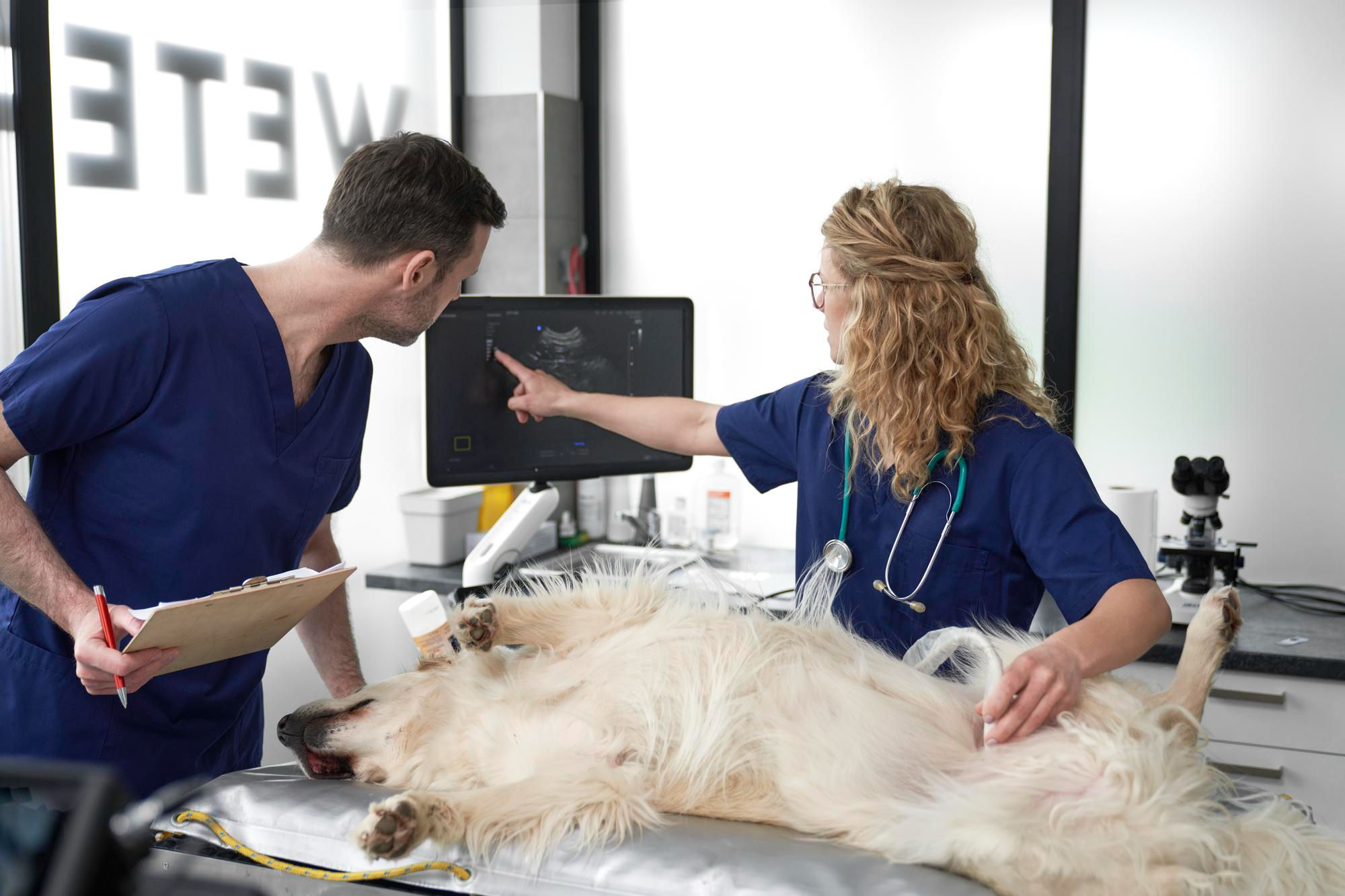
Annual veterinary checkups are one of the most important steps pet parents can take to protect their pet’s long-term health. Even pets that appear perfectly healthy can have underlying issues that only a professional exam can detect.
Regular vet visits help catch problems early, keep vaccinations up to date, and ensure your furry companion enjoys a longer, happier life.
Why Annual Vet Checkups Matter
Pets age faster than humans, which means a lot can change in just one year. An annual wellness exam gives your veterinarian the opportunity to monitor changes in weight, behavior, mobility, and overall health before they turn into serious concerns.
During a routine checkup, vets typically:
- Perform a full physical exam
- Check teeth, ears, eyes, and skin
- Monitor weight and body condition
- Listen to the heart and lungs
- Discuss diet, exercise, and lifestyle
These exams help detect issues such as dental disease, arthritis, heart conditions, parasites, and early signs of chronic illness. Early detection often means simpler treatment, lower costs, and better outcomes.
Preventive Care Saves Money and Stress
One of the biggest benefits of regular vet visits is preventive care. Vaccinations, parasite prevention, and routine screenings can protect pets from illnesses that are expensive—and sometimes life-threatening—to treat later.
Preventive care also reduces emergency vet visits, which are stressful for both pets and pet parents. A calm, planned checkup is far better than a rushed trip during a health crisis.
How Often Should Pets See the Vet?
Most adult dogs and cats should see the vet at least once a year. Puppies, kittens, senior pets, and pets with chronic conditions may need more frequent visits.
Senior pets, in particular, benefit from biannual checkups. As pets age, their health can change quickly, and regular monitoring helps maintain comfort and quality of life.
How to Prepare Your Pet for a Vet Visit
Preparing your pet ahead of time can make the experience smoother and less stressful.
1. Get Them Comfortable With Handling
Practice touching your pet’s paws, ears, and mouth at home. This helps them stay calm during exams and makes vet visits feel more familiar.
2. Use Positive Reinforcement
Bring your pet’s favorite treats or toy. Rewarding calm behavior creates positive associations with the vet clinic.
3. Choose the Right Carrier or Leash
Cats should always travel in a secure carrier lined with a soft blanket. Dogs should be on a comfortable, well-fitted leash or harness.
4. Schedule Wisely
If possible, choose a quieter time of day. Less noise and fewer animals can reduce anxiety, especially for nervous pets.
5. Write Down Questions in Advance
It’s easy to forget concerns during the appointment. Bring a list of questions about diet, behavior changes, vaccinations, or preventive care.
What to Bring to the Appointment
- Medical and vaccination records
- A list of medications or supplements
- Notes about changes in appetite, behavior, or energy levels
- Stool or urine samples, if requested
Sharing accurate information helps your vet provide the best care possible.
Making Vet Visits Less Stressful Over Time
Consistency matters. When vet visits are routine rather than rare, pets become more comfortable with the experience. Staying calm yourself also helps—pets are experts at reading our emotions.