- 415 Fletcher Pkwy, El Cajon, CA 92020 Suite #401
- info@zoofilist.com

Office Address
415 Fletcher Pkwy, El Cajon,
CA 92020 Suite #401
PO BOX
2150 Comstock St, #710384 San Diego, CA. 92111
Smart Way Services Inc.
Email Address
info@zoofilist.com



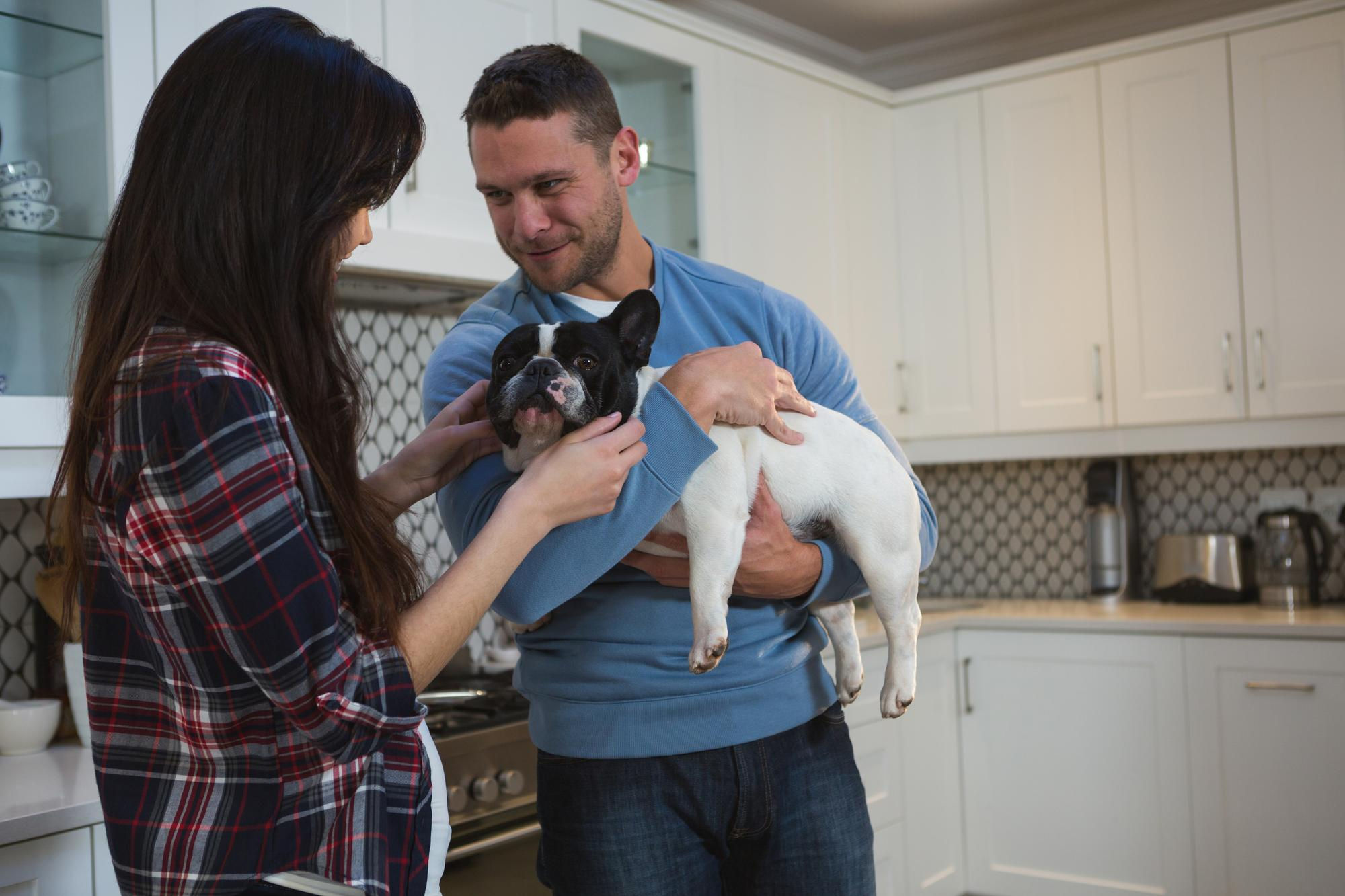
Adopting a New Pet: Tips for a Smooth Transition
Bringing home a new pet is an exciting milestone. Whether you’re adopting a playful puppy, a rescue dog, or a curious cat, the first few weeks are crucial for building trust and establishing routines. For pet owners across the United States—including large adoption communities in states like California—preparation can make the difference between a stressful adjustment and a smooth, positive transition. Here’s how to help your new companion feel safe, secure, and right at home. Before your new pet arrives, set up a designated space where they can relax and decompress. Moving into a new environment can feel overwhelming, especially for rescue animals. Your setup should include: A comfortable bed or crate Food and water bowls Age-appropriate toys A litter box for cats Puppy pads if needed Keep the space quiet and low-traffic during the first few days. Limiting stimulation helps reduce anxiety and builds confidence. Pets thrive on predictability. Establish feeding times, bathroom breaks, walks, and bedtime routines as early as possible. Consistency helps your pet: Learn household expectations Feel secure in their environment Adjust more quickly Reduce anxiety-related behaviors If you live in a busy household—or in active urban areas like many parts of California—structure becomes even more important for a smooth adjustment. New pets need time to bond. Introduce family members one at a time in a calm setting. Encourage gentle interactions and avoid overwhelming your pet with too much excitement. For homes with other pets: Keep initial meetings brief Use leashes or barriers if necessary Reward calm behavior Supervise all interactions Patience during introductions prevents tension and supports positive long-term relationships. Even if your adopted pet has medical records, scheduling a wellness exam soon after adoption is essential. A veterinarian can: Confirm vaccinations Check for parasites Discuss nutrition Address any behavioral concerns Early medical care ensures your pet starts their new life healthy and supported. Training begins on day one. Use positive reinforcement techniques such as treats, praise, and consistency to teach basic commands and house rules. Avoid punishment, which can create fear or confusion—especially for rescue animals who may have experienced past trauma. Short, daily training sessions help build trust and communication between you and your new pet. Enrichment is key to preventing boredom and destructive behavior. Depending on your pet’s age and breed, include: Daily walks or play sessions Puzzle toys Interactive games Training exercises If your schedule is demanding, reliable support can make the transition smoother. Platforms like Zoofilist connect pet owners with trusted sitters who can help maintain structure, especially during busy workdays. Professional in-home visits can be particularly helpful in fast-paced states like California, where long commutes or work hours may temporarily limit your availability. It can take weeks—or even months—for a new pet to fully settle in. You may notice timid behavior, accidents, or testing of boundaries during the first phase. This adjustment period is completely normal. Stay patient, consistent, and compassionate. Signs your pet is beginning to feel comfortable include: Relaxed body language Regular eating habits Playfulness Seeking affection Celebrate small milestones along the way. Before allowing outdoor access, ensure your pet has proper identification. Update ID tags and confirm microchip registration details. This is especially important in densely populated areas where pets can easily become disoriented if they escape. Adopting a new pet is a meaningful commitment filled with joy, responsibility, and growth. By preparing your home, establishing routines, prioritizing veterinary care, and offering patience, you create a foundation for a lifelong bond. Because welcoming a new pet isn’t just about giving them a home—it’s about giving them a safe place to truly belong.Prepare Your Home in Advance
Establish a Consistent Routine
Introduce Family Members Gradually
Schedule a Veterinary Visit
Focus on Positive Reinforcement
Provide Mental and Physical Enrichment
Be Patient with the Adjustment Period
Secure Identification and Microchipping
Final Thoughts