- 415 Fletcher Pkwy, El Cajon, CA 92020 Suite #401
- info@zoofilist.com

Office Address
415 Fletcher Pkwy, El Cajon,
CA 92020 Suite #401
PO BOX
2150 Comstock St, #710384 San Diego, CA. 92111
Smart Way Services Inc.
Email Address
info@zoofilist.com



Signs of Dehydration in Pets and How to Prevent It
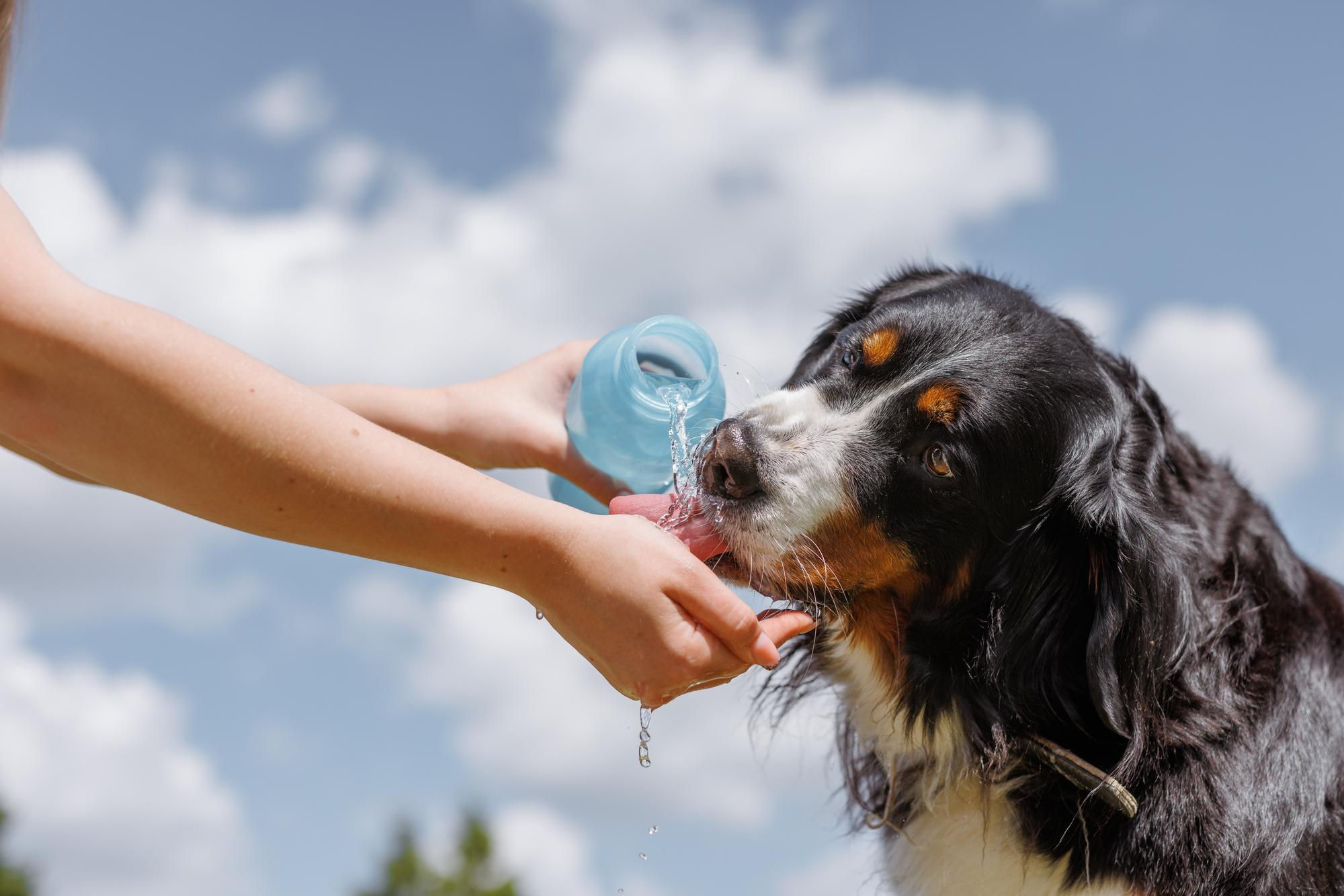
Proper hydration is essential for your pet’s overall health. Just like humans, dogs and cats rely on water to regulate body temperature, support organ function, and maintain energy levels. When pets don’t get enough fluids, dehydration can develop quickly—especially during hot weather, illness, or periods of high activity. For pet owners across the United States, understanding the signs of dehydration and knowing how to prevent it can protect your furry companion from serious health complications. Water plays a critical role in nearly every system in your pet’s body. It helps: Regulate body temperature Support digestion Transport nutrients Flush out toxins Maintain joint lubrication Even mild dehydration can impact your pet’s mood, energy, and physical performance. Severe dehydration, if left untreated, can lead to organ damage or heatstroke. Pets can become dehydrated for several reasons, including: Hot summer temperatures Excessive panting Vomiting or diarrhea Fever Kidney disease Lack of access to clean water Dogs who spend extended time outdoors and cats that eat primarily dry food may be at increased risk if water intake isn’t sufficient. Recognizing the early warning signs is key to preventing serious complications. Watch for: Dry or sticky gums Thick saliva Sunken eyes Lethargy or weakness Loss of skin elasticity Reduced appetite Decreased urination One simple at-home check is the skin tent test. Gently lift the skin at the back of your pet’s neck and release it. In a well-hydrated pet, the skin should quickly return to normal. If it remains tented or moves slowly, dehydration may be present. If your pet shows severe symptoms such as collapse, vomiting, or confusion, seek veterinary care immediately. Prevention is always easier than treatment. Simple daily habits can significantly reduce your pet’s risk. Ensure your pet always has access to clean, cool water. Replace water frequently and wash bowls daily to prevent bacteria buildup. If you have multiple pets or a large home, consider placing water stations in different areas to encourage drinking. Pay attention to how much your pet drinks, especially during hot weather or after exercise. Sudden changes in water consumption can indicate an underlying issue. For cats, consider water fountains, which often encourage increased drinking due to moving water. In warmer states and during summer months, dehydration risk increases significantly. Take precautions such as: Limiting outdoor activity during peak heat Offering water breaks during walks Adding ice cubes to water bowls Providing shaded rest areas Never leave pets in parked vehicles, as temperatures can rise rapidly. Adding moisture to your pet’s diet can help support hydration. Options include: Mixing water into dry kibble Offering wet food for cats Providing pet-safe broths (low sodium, no onions or garlic) Offering hydrating treats like watermelon (for dogs, seedless and in moderation) Dietary adjustments can be especially helpful for pets who don’t naturally drink large amounts of water. Vomiting, diarrhea, and certain medical conditions increase fluid loss. If your pet is sick, monitor hydration closely and consult your veterinarian if symptoms persist. If you suspect moderate to severe dehydration, professional treatment may be required. Veterinarians can administer subcutaneous or intravenous fluids to restore hydration safely and quickly. Prompt care prevents complications and supports faster recovery. Dehydration can develop faster than many pet owners realize, but it is also highly preventable. By recognizing early warning signs, providing consistent access to fresh water, and adjusting care during hot weather or illness, you can protect your pet’s health year-round. Because staying hydrated isn’t just about comfort—it’s about keeping your best friend safe, strong, and thriving.Why Hydration Is So Important
Common Causes of Dehydration in Pets
Signs of Dehydration in Dogs and Cats
How to Prevent Dehydration
Provide Constant Access to Fresh Water
Monitor Water Intake
Adjust During Hot Weather
Incorporate Moisture into Meals
Watch for Illness
When to See a Veterinarian
Final Thoughts