- 415 Fletcher Pkwy, El Cajon, CA 92020 Suite #401
- info@zoofilist.com

Office Address
415 Fletcher Pkwy, El Cajon,
CA 92020 Suite #401
PO BOX
2150 Comstock St, #710384 San Diego, CA. 92111
Smart Way Services Inc.
Email Address
info@zoofilist.com



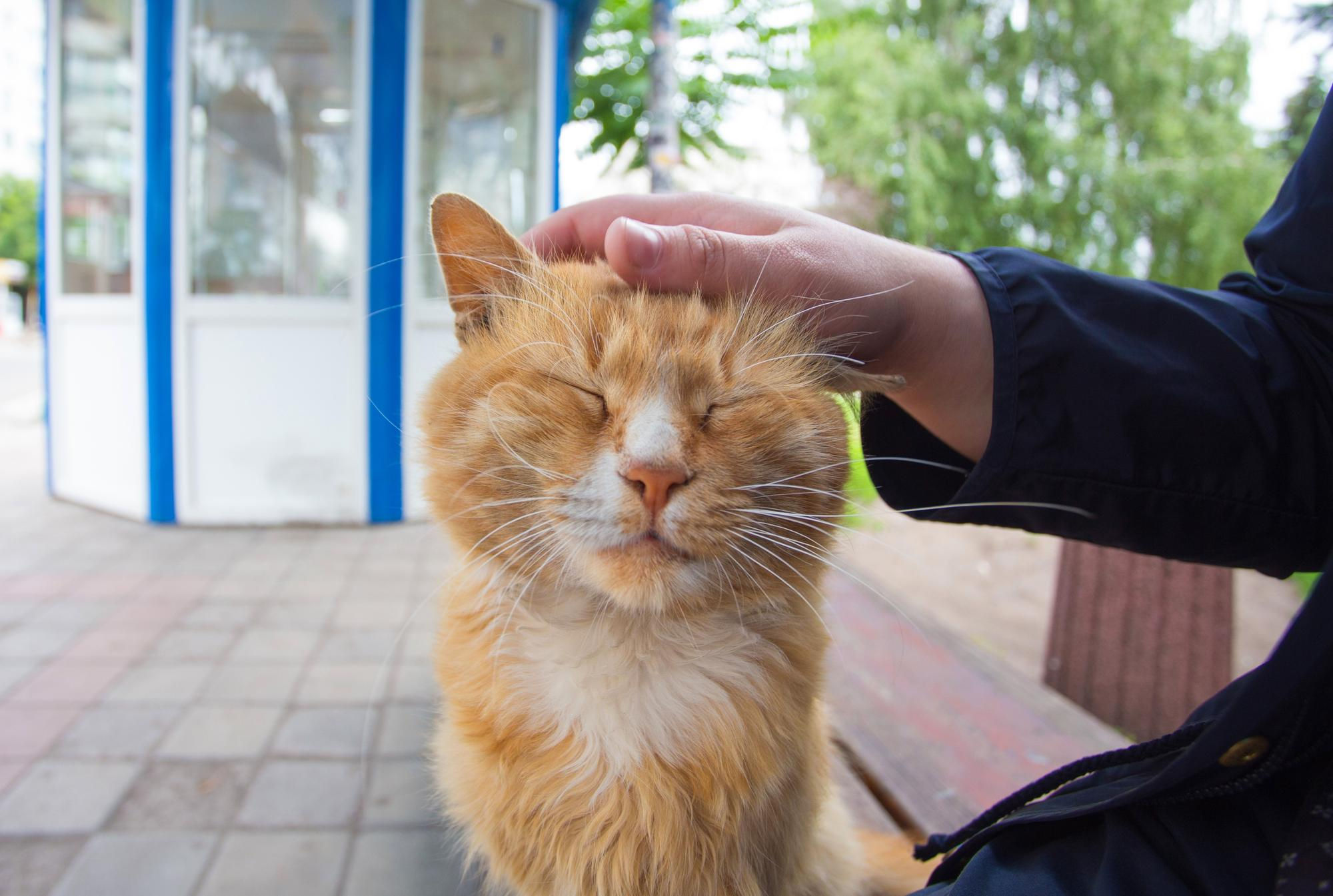
Training Your Cat: Is It Possible?
Training Your Cat: Is It Possible? If you’ve ever tried to tell your cat what to do and got a slow blink in return, you’re not alone. Cats have a reputation for being independent, mysterious, and—let’s be honest—a little selective about when they listen. But here’s the truth: cats can be trained. You just need the right approach. For pet owners across the United States, understanding how cats learn can transform daily life—from reducing unwanted behaviors to creating a stronger, more interactive bond. Yes—cats are absolutely trainable. The difference is that they’re not motivated by the same things as dogs. While dogs often aim to please, cats respond best to rewards, curiosity, and choice. Cats can learn to: Use the litter box consistently Come when called Sit, high-five, or target Walk on a leash (yes, really) Stop unwanted behaviors The key is working with your cat’s instincts, not against them. Cats learn through association and repetition. If a behavior leads to something positive, they’re more likely to repeat it. Effective motivators include: Treats (small and high-value) Praise in a calm, friendly tone Playtime or toys Timing matters. Rewards should happen immediately after the desired behavior so your cat makes the connection. Training should begin with easy, achievable goals. Use your cat’s name followed by a cue like “come” Call them during positive moments (like mealtime) Reward immediately when they approach With repetition, your cat will associate the cue with something rewarding. Target training teaches your cat to touch an object (like your finger or a stick). Hold out your finger near your cat When they sniff or touch it, reward Gradually move the target to guide movement This becomes the foundation for more advanced tricks. Hold a treat above your cat’s head As they look up, their body will naturally lower Say “sit” and reward Keep sessions short and light—cats don’t do well with long training drills. Training isn’t just about tricks—it’s also about redirecting behavior. If your cat: Scratches furniture → provide scratching posts Jumps on counters → reward staying off surfaces Bites during play → switch to toys instead of hands Never punish your cat. Instead, guide them toward acceptable alternatives and reward those choices. Cats are sensitive to their surroundings. Choose a quiet, low-distraction space for training. Tips for success: Train when your cat is calm but alert Avoid forcing interaction Keep sessions under 5–10 minutes End on a positive note Short, consistent sessions are far more effective than long ones. Not all cats are the same. Some are playful and food-motivated, while others are more independent or cautious. Pay attention to: What motivates your cat When they’re most active How they respond to rewards Training works best when it’s tailored to your cat’s unique personality. Cats learn at their own pace. Some pick things up quickly, while others take time—and a bit of attitude. Progress may look like: Small improvements over time Increased responsiveness Less unwanted behavior Consistency matters more than speed. Training shouldn’t feel like a chore—for you or your cat. Keep things playful, relaxed, and rewarding. Think of it less as “teaching commands” and more as “creating positive habits.” Training your cat is not only possible—it’s incredibly rewarding. With patience, positive reinforcement, and an understanding of how cats think, you can teach useful behaviors and even a few impressive tricks. Because your cat may act like they’re in charge (and honestly, they kind of are), but with the right approach, they’ll happily learn—as long as there’s something in it for them.Can Cats Really Be Trained?
How Cats Learn Best
Start with Simple Commands
Come When Called
Target Training
Sit (Yes, Cats Can Do It)
Stop Unwanted Behaviors
Use the Right Environment
Understand Your Cat’s Personality
Be Patient (Very Patient)
Make Training Fun
Final Thoughts