- 415 Fletcher Pkwy, El Cajon, CA 92020 Suite #401
- info@zoofilist.com

Office Address
415 Fletcher Pkwy, El Cajon,
CA 92020 Suite #401
PO BOX
2150 Comstock St, #710384 San Diego, CA. 92111
Smart Way Services Inc.
Email Address
info@zoofilist.com



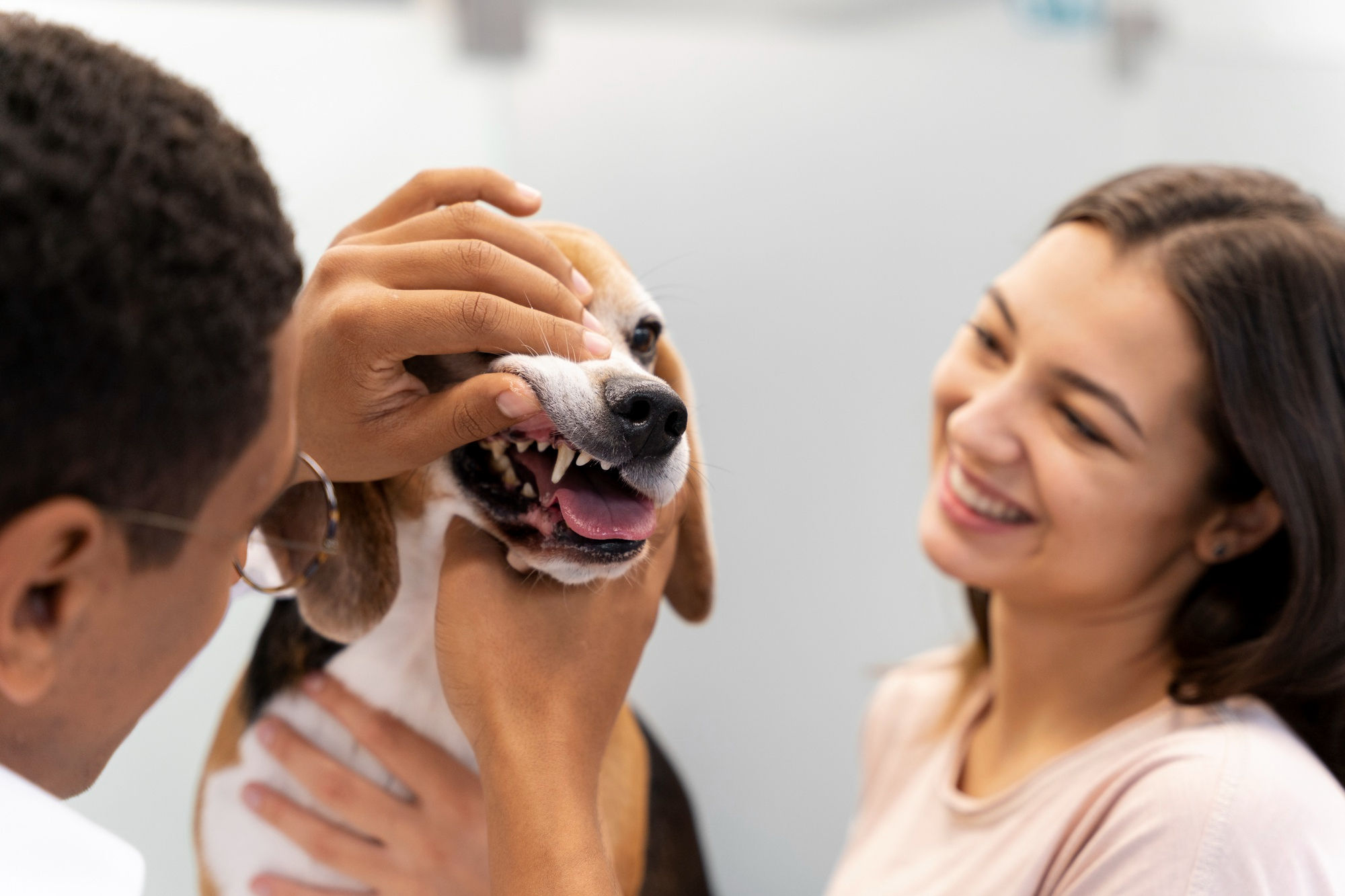
Why Regular Teeth Cleaning Is Essential for Your Pet’s Health
Dental health is one of the most overlooked parts of pet care, yet it plays a major role in your pet’s overall well-being. Many dogs and cats develop dental disease long before owners notice symptoms, and untreated oral problems can lead to pain, infections, and even damage to vital organs. Regular teeth cleaning helps pets stay healthier, more comfortable, and happier throughout their lives. Plaque and tartar begin building up on pets’ teeth surprisingly quickly. Without proper dental care, bacteria can accumulate below the gumline and cause periodontal disease. Dental disease can lead to: Painful inflammation Tooth loss Bad breath Difficulty eating Infections that spread through the body In severe cases, oral bacteria may affect the heart, kidneys, and liver. A healthy mouth supports a healthy body—and significantly fewer “why does your breath smell like that?” moments. Pets are experts at hiding discomfort, so dental disease often progresses silently. Common warning signs include: Bad breath Yellow or brown tartar buildup Red or swollen gums Drooling excessively Pawing at the mouth Difficulty chewing Reduced appetite Cats may also show subtle signs like grooming less frequently or becoming withdrawn. If you notice these symptoms, scheduling a veterinary dental exam is important. Routine dental care does far more than freshen breath. Benefits include: Reduced risk of periodontal disease Prevention of painful infections Better eating habits Improved comfort and quality of life Lower risk of expensive dental procedures later Professional cleanings also allow veterinarians to identify hidden issues such as fractured teeth, oral tumors, or gum recession before they worsen. Veterinary dental cleanings are much more thorough than simple brushing at home. During a professional cleaning, pets are placed under anesthesia so veterinarians can safely clean below the gumline and examine the entire mouth. Professional cleanings typically include: Tartar removal Polishing Gum evaluation Dental X-rays if needed Tooth extractions when necessary While anesthesia may sound intimidating, untreated dental disease often poses a much greater long-term health risk. Professional cleanings work best when combined with consistent home care. Helpful at-home dental habits include: Brushing your pet’s teeth regularly Using pet-safe toothpaste Offering approved dental chews Providing dental toys Using veterinarian-recommended oral rinses Never use human toothpaste on pets, as many ingredients are toxic to animals. Starting dental care early helps pets become more comfortable with the routine over time. Both dogs and cats need dental care, even though cats are sometimes forgotten in dental conversations. Small dog breeds are especially prone to dental disease because their teeth are crowded closer together. Cats may develop conditions such as: Gingivitis Tooth resorption Stomatitis Routine monitoring and preventive care are important regardless of breed or species. Diet also affects dental health. Some foods and treats may contribute to plaque buildup, while others are designed to support oral hygiene. Talk to your veterinarian about: Dental diets Safe chewing options Nutritional support for oral health Crunchy textures alone do not replace proper dental care, despite what many pets would probably like us to believe. The frequency depends on your pet’s age, breed, genetics, and overall dental condition. Some pets may need: Annual cleanings More frequent care for dental-prone breeds Regular monitoring as they age Your veterinarian can recommend a schedule tailored to your pet’s specific needs. Regular teeth cleaning is essential for your pet’s health because oral health affects far more than just the mouth. Preventive dental care reduces pain, supports long-term wellness, and helps pets live more comfortable lives. From daily brushing to professional cleanings, small habits can make a major difference over time. Because your pet deserves more than just a healthy smile—they deserve to feel their best from nose to tail.Why Regular Teeth Cleaning Is Essential for Your Pet’s Health
Why Pet Dental Care Matters
Signs Your Pet May Have Dental Problems
The Benefits of Regular Teeth Cleaning
Professional Dental Cleanings
At-Home Dental Care for Pets
Dental Care for Dogs and Cats
Nutrition and Oral Health
How Often Should Pets Have Dental Cleanings?
Final Thoughts