- 415 Fletcher Pkwy, El Cajon, CA 92020 Suite #401
- info@zoofilist.com

Office Address
415 Fletcher Pkwy, El Cajon,
CA 92020 Suite #401
PO BOX
2150 Comstock St, #710384 San Diego, CA. 92111
Smart Way Services Inc.
Email Address
info@zoofilist.com



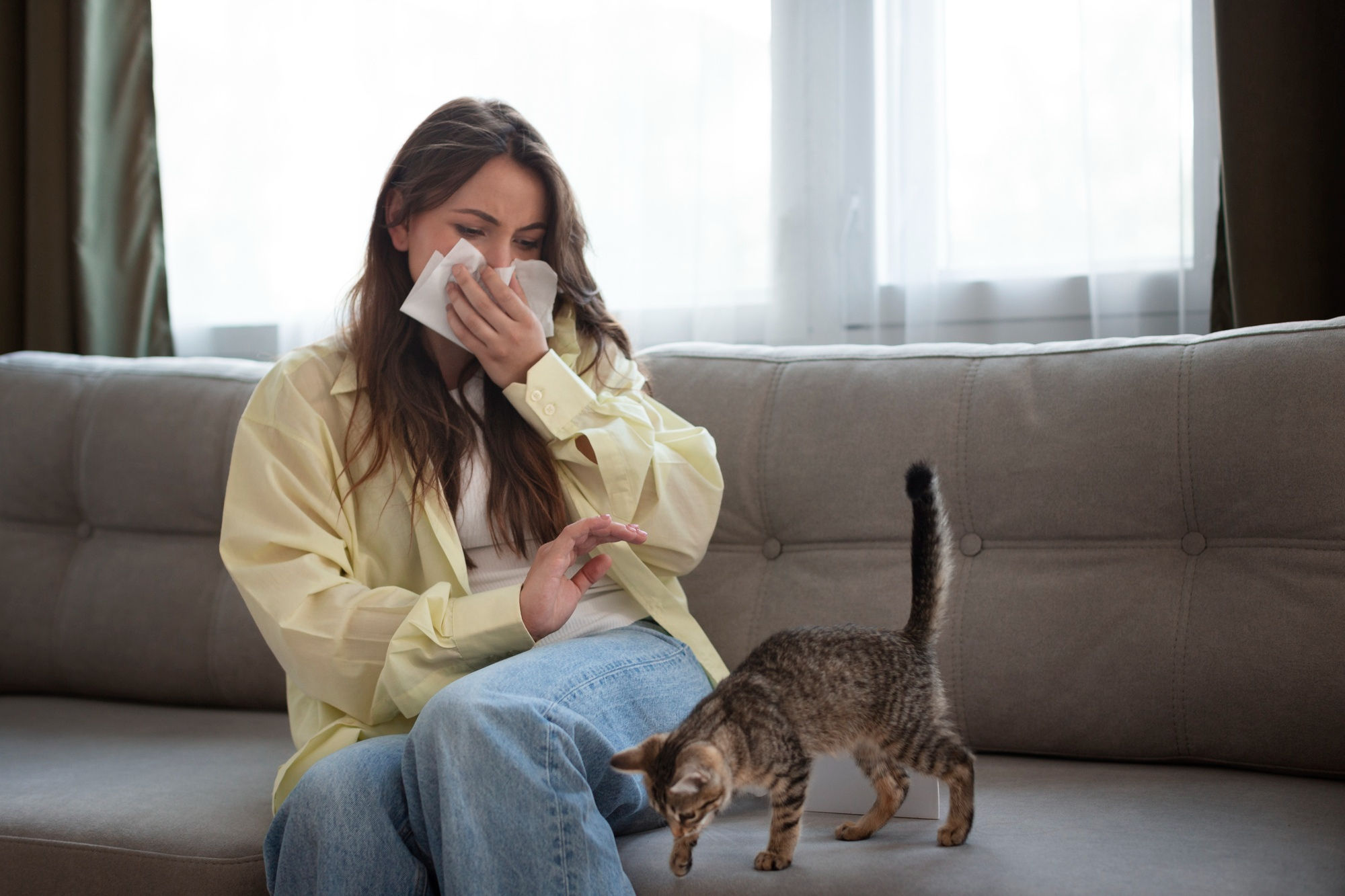
Understanding Pet Allergies: Symptoms and Solutions
Allergies aren’t just a human problem—pets can suffer from them too. Dogs and cats can develop allergies to food, environmental triggers, fleas, and even household products. Unfortunately, pet allergies often go unnoticed because the symptoms can look like common skin or digestive issues. Understanding the signs of pet allergies and knowing how to manage them can help your furry companion feel more comfortable and healthy year-round. An allergy happens when a pet’s immune system overreacts to something that would normally be harmless. These triggers, known as allergens, can vary widely from pet to pet. Common causes of pet allergies include: Pollen Dust mites Mold Flea bites Certain foods Grass Cleaning products Perfumes or scented products Some pets experience seasonal allergies, while others deal with symptoms all year long. Allergy symptoms can affect the skin, ears, digestive system, and respiratory tract. Common signs include: Excessive scratching or licking Red or irritated skin Ear infections Hair loss Chewing at paws Sneezing Watery eyes Vomiting or diarrhea Many dogs with allergies develop itchy paws or chronic ear problems, while cats may over-groom to the point of creating bald spots. If your pet suddenly seems determined to scratch every inch of their body at 2 a.m., allergies may be involved. Flea allergy dermatitis is one of the most common allergies in dogs and cats. Some pets react severely to even a single flea bite. Symptoms often include: Intense itching Hair loss near the tail Red or inflamed skin Scabbing Consistent flea prevention is one of the best ways to protect sensitive pets from flare-ups. Food allergies can develop at any age, even to foods pets have eaten for years. Common food allergens include: Chicken Beef Dairy Wheat Soy Symptoms may include skin irritation, ear infections, or digestive issues such as vomiting and diarrhea. Veterinarians often recommend elimination diets to identify food triggers safely and accurately. Environmental allergies are triggered by things pets inhale or touch in their surroundings. Seasonal allergies may worsen during: Spring pollen season Summer grass exposure Fall mold increases Pets with environmental allergies may benefit from: Regular paw wiping Frequent grooming Air purifiers Cleaning bedding often Reducing allergen exposure inside the home can make a noticeable difference. Because allergy symptoms overlap with other conditions, proper diagnosis is important. Your veterinarian may recommend: Skin examinations Flea evaluations Food trials Allergy testing Bloodwork Treating symptoms without identifying the underlying cause can lead to ongoing frustration for both pets and owners. Treatment depends on the type and severity of the allergy. Common solutions include: Prescription medications Antihistamines Medicated shampoos Dietary changes Flea prevention Allergy shots or immunotherapy Many pets require a combination of treatments to manage symptoms effectively. Regular grooming can help remove allergens from your pet’s skin and coat. Helpful grooming habits include: Brushing frequently Bathing with vet-approved shampoos Cleaning paws after walks Monitoring for skin changes Professional grooming can also help identify irritation early before it becomes more severe. Mild itching may not seem serious at first, but untreated allergies can lead to infections, chronic inflammation, and ongoing discomfort. Contact your veterinarian if your pet experiences: Persistent itching Recurring ear infections Hair loss Open sores Digestive problems Early treatment helps improve comfort and prevents complications. Understanding pet allergies starts with recognizing the symptoms and addressing them early. Whether the trigger is food, fleas, or environmental allergens, the right treatment plan can dramatically improve your pet’s quality of life. A comfortable pet is a happier pet—and far less likely to treat your furniture like an emotional support scratching post.Understanding Pet Allergies: Symptoms and Solutions
What Causes Allergies in Pets?
Common Symptoms of Pet Allergies
Flea Allergies in Pets
Food Allergies and Sensitivities
Environmental Allergies
Diagnosing Allergies in Pets
Treatment Options for Pet Allergies
The Importance of Grooming and Skin Care
When to See a Veterinarian
Final Thoughts