- 415 Fletcher Pkwy, El Cajon, CA 92020 Suite #401
- info@zoofilist.com

Office Address
415 Fletcher Pkwy, El Cajon,
CA 92020 Suite #401
PO BOX
2150 Comstock St, #710384 San Diego, CA. 92111
Smart Way Services Inc.
Email Address
info@zoofilist.com


Valentine’s Day Safety Tips: Foods and Plants That Are Toxic to Pets
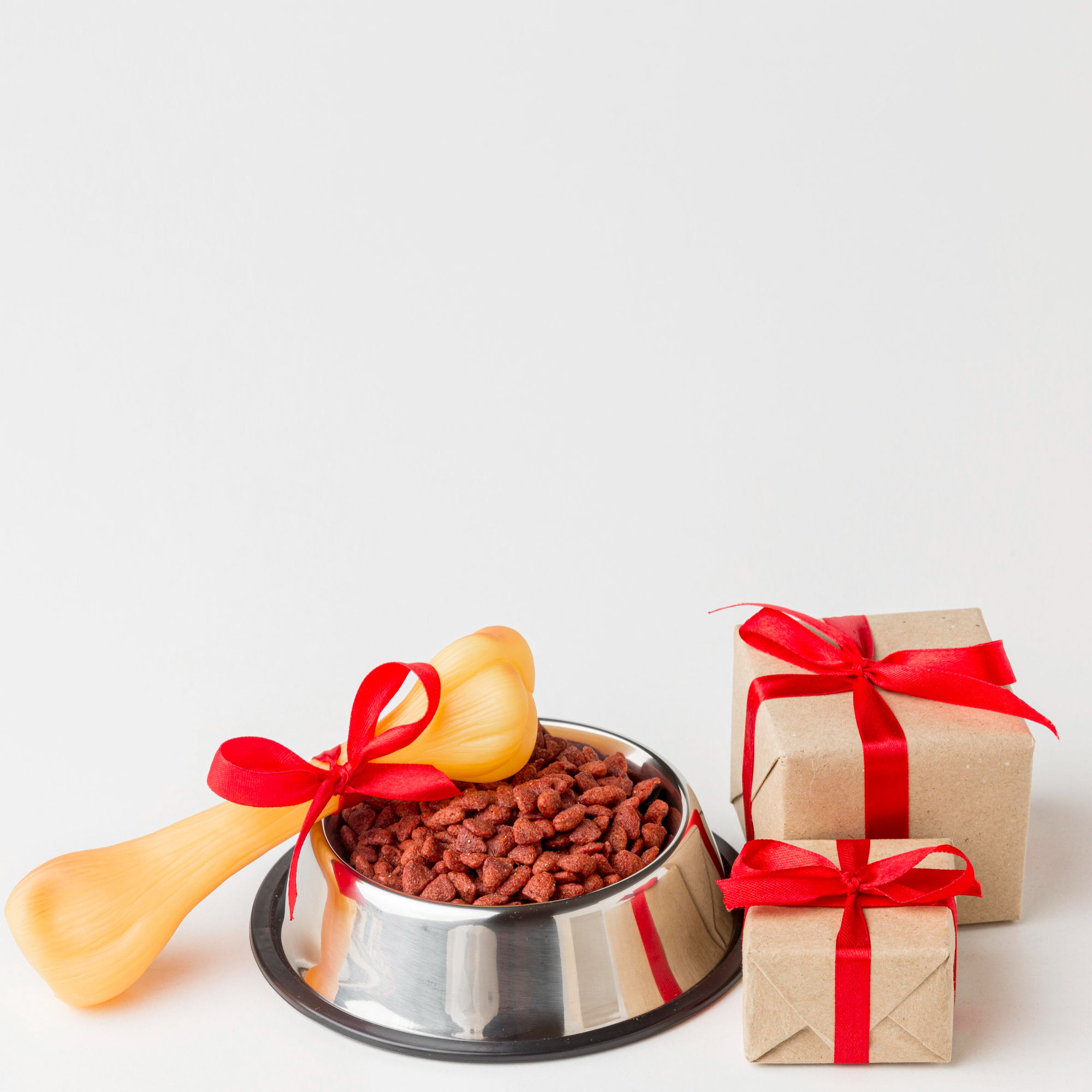
Valentine’s Day is all about love, treats, and beautiful flowers—but for pets, it can be one of the most dangerous days of the year. Chocolates on the counter, bouquets on the table, and festive candles can quickly turn into emergency vet visits if pet safety isn’t top of mind. Before you celebrate, here’s what every pet owner should know about Valentine’s Day hazards and how to keep pets safe. Common Valentine’s Day Foods That Are Toxic to Pets Many popular Valentine’s treats are harmful—even deadly—to dogs and cats. Chocolate and Cocoa Products Chocolate contains theobromine and caffeine, both of which are toxic to pets. Dark chocolate and baking chocolate are especially dangerous. Symptoms of chocolate poisoning include: Vomiting or diarrhea Rapid heart rate Tremors or seizures Restlessness Even small amounts can be harmful, so keep all chocolate well out of reach. Xylitol (Artificial Sweetener) Xylitol is commonly found in sugar-free candies, gum, baked goods, and some peanut butters. It causes a rapid drop in blood sugar in dogs and can lead to liver failure. Just one piece of gum can be enough to cause serious harm. Grapes, Raisins, and Alcohol Chocolate-covered raisins, wine, and champagne may feel festive, but they’re dangerous for pets. Grapes and raisins can cause kidney failure in dogs, while alcohol can lead to poisoning, even in small amounts. Fatty or Rich Foods Truffles, desserts, and rich meals can cause stomach upset or pancreatitis, especially in dogs. Sharing “just a bite” is never worth the risk. Valentine’s Day Plants That Are Toxic to Pets Flowers may be romantic, but many popular Valentine’s Day plants are toxic to pets. Lilies (Extremely Dangerous for Cats) Lilies are highly toxic to cats. Even small exposure—such as licking pollen or drinking vase water—can cause kidney failure. If you have cats, lilies should never enter your home. Tulips and Daffodils These spring flowers contain toxins that can cause vomiting, drooling, and heart issues, especially if bulbs are chewed. Roses While roses aren’t toxic, their thorns can cause mouth injuries, and floral arrangements may be treated with chemicals that are unsafe if ingested. Sago Palm and Other Decorative Plants Sago palms are extremely toxic and can cause liver failure in pets. Even a small bite is dangerous. Hidden Valentine’s Day Hazards Valentine’s décor comes with its own risks: Candles can cause burns or fires if knocked over Ribbon, string, and gift wrap can cause intestinal blockages Flower water may contain fertilizers or preservatives toxic to pets Keep decorations secured and dispose of wrapping materials promptly. What to Do If Your Pet Eats Something Toxic If you suspect your pet has ingested something harmful: Remove access immediately Do not induce vomiting unless instructed Contact your veterinarian or an emergency pet poison helpline right away Acting quickly can make a life-saving difference. Pet-Safe Valentine’s Day Alternatives Want to include your pet in the celebration safely? Choose pet-safe treats or toys Give extra playtime or cuddles Opt for pet-friendly plants or faux flowers Love doesn’t have to come with risk. Final Thoughts Valentine’s Day should be filled with joy, not emergencies. Being aware of toxic foods and plants helps protect your pet and keeps the focus where it belongs—on celebrating love. Your pet may not want chocolates or roses anyway. They just want you, a safe home, and maybe an extra belly rub. Honestly, same.